


Mental and Behavioral Well-Being
Mental and Behavioral Well-Being
Nature as Preventative Medicine
 By
By
Scientifically shown to lower the heart rate, lower blood pressure, reduce stress hormones, boost the immune system, improve mood and feelings of well-being.
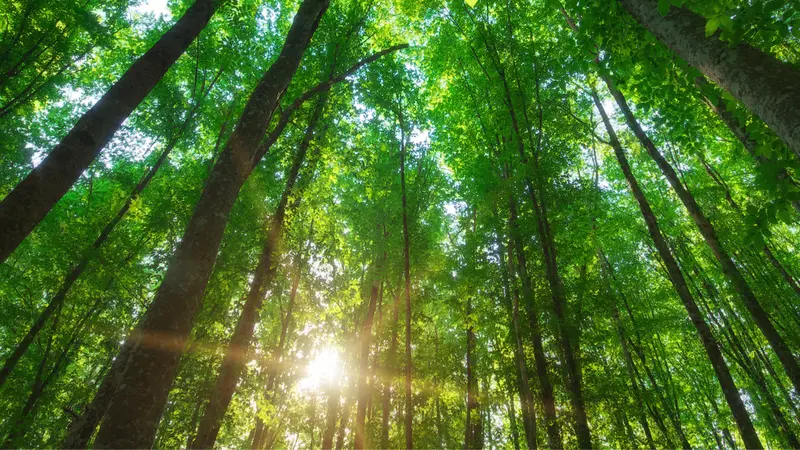
This may sound like the newest wonder drug, but these are actually the benefits of shinrin-yoku, the Japanese practice of “forest bathing”—basically being in the presence of trees.
From 2004 to 2012, Japanese officials spent about $4 million studying the physiological and psychological effects of forest bathing. The researchers found that inhaling phytoncide—protective oil emitted by trees—seems to actually improve immune system function.
Another experiment conducted by the Center for Environment, Health and Field Sciences in Japan concluded that spending 30 minutes in a forest environment can lower concentrations of cortisol (which is linked to stress), lower pulse rate and blood pressure, and improve parasympathetic and sympathetic nerve activity so subjects felt more rested and less inclined to stress. A separate Japanese study of 498 people found that subjects who spent time in forest environments showed significantly reduced hostility and depression scores, coupled with increased liveliness.
Even brief exposure to greenery in urban settings can relieve stress levels, and experts have recommended “doses of nature” as part of treatment of attention disorders in children. Evidence suggests we don’t seem to need a lot of exposure to reap the benefits of nature, but regular contact appears to improve our immune system function and our well-being.
REFERENCES
Livini, E. (2017, March 23). The Japanese practice of “forest bathing” is scientifically proven to be good for you. World Economic Forum in collaboration with Quartz. https://www.weforum.org/agenda/2017/03/the-japanese-practice-of-forest-bathing-is-scientificially-p…