


Chronic Conditions and Diseases
Chronic Conditions and Diseases
Dance As A Complementary Therapy For Parkinson’s
 By
By
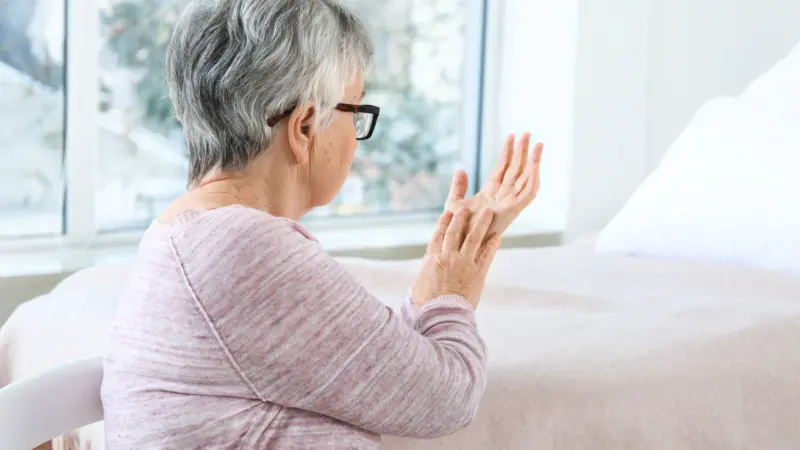
Parkinson’s disease (Parkinson’s) is a progressive neurological condition best known for causing movement problems like stiffness, tremors and balance difficulties. Many people with Parkinson’s also experience non-motor symptoms such as changes in mood, thinking and overall quality of life.
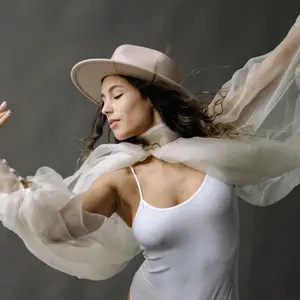
Dance-based physical activity has gained attention because it uses coordinated movement, rhythm and social interaction, which are areas often affected by Parkinson’s.
In this study, 13 people with mild to moderate Parkinson’s participated in a dance-based exercise program twice a week for six months. Researchers tested their movement abilities, thinking skills, mood and quality of life before the program began and again after it ended. After six months, participants showed improvements in several areas. Their balance and walking ability improved. Executive functions, which include skills like planning, switching between tasks and controlling impulses, also improved. These gains included better abstract reasoning and inhibitory control. Symptoms of depression decreased, and participants reported a higher quality of life. Overall disease severity did not change dramatically, but the combined physical, cognitive and emotional benefits were meaningful.
The researchers suggest that the mix of movement, rhythm and social engagement involved in dance may help support brain and body functions in those affected by Parkinson’s.
REFERENCES
Duarte, J. D. S., Alcantara, W. A., Brito, J. S., Barbosa, L. C. S., Machado, I. P. R., Furtado, V. K. T., Santos-Lobato, B. L. D., Pinto, D. S., Krejcová, L. V., & Bahia, C. P. (2023). Physical activity based on dance movements as complementary therapy for Parkinson's disease: Effects on movement, executive functions, depressive symptoms, and quality of life. PloS one, 18(2), e0281204. https://doi.org/10.1371/journal.pone.0281204