

Natural Pets
Natural Pets
Herbal Remedies for Canine Osteoarthritis
 By
By
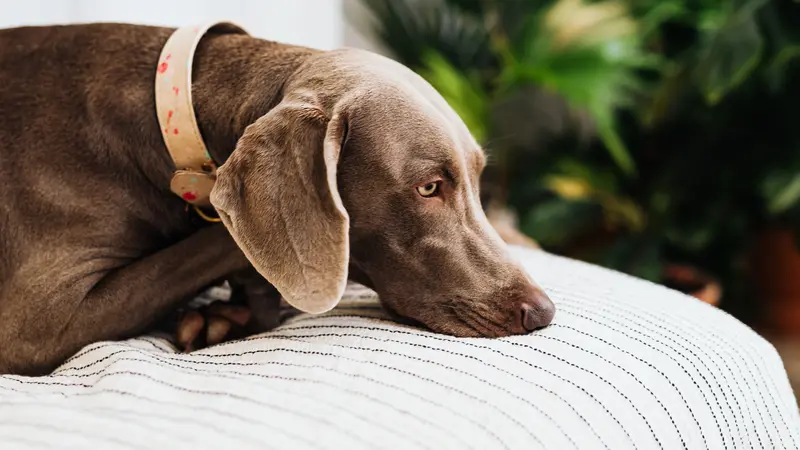
Osteoarthritis is one of the most frequent reasons that middle-aged and older pets are brought to the veterinarian. Many owners notice their pets slowing down, becoming stiff, or refusing to exercise, and often assume these are normal signs of aging. In many cases, the reduced activity is actually the pet’s attempt to avoid pain caused by osteoarthritis, a progressive joint disease that leads to inflammation, stiffness, and loss of mobility.
The first treatment option most veterinarians recommend is the use of nonsteroidal anti-inflammatory drugs (NSAIDs) such as carprofen or meloxicam. These drugs are effective at controlling pain and inflammation, but long-term use can lead to side effects involving the liver, kidneys, or digestive system. In cats, extended use of NSAIDs is generally not considered safe. Other medications like gabapentin and tramadol may be added to relieve discomfort, but these too have limitations. Because of these concerns, veterinarians and pet owners are showing interest in herbal therapies as additional or alternative treatments.
Herbal therapies have been used for centuries to treat joint pain and inflammation in both humans and animals. These remedies often work through mechanisms similar to those of pharmaceuticals but tend to have fewer side effects. Among the many natural compounds studied, three of the most commonly used in veterinary medicine are curcumin, boswellia, and cannabis.
Curcumin is the main active ingredient in turmeric, a plant from Southeast Asia that has long been used in Indian cooking and traditional Ayurvedic medicine. Turmeric contains more than 200 active substances that can reduce inflammation, prevent cartilage breakdown, and slow bone damage. Research in dogs has shown that turmeric extracts can lessen pain and improve movement, although results vary due to differences in how well curcumin is absorbed. Because it is poorly absorbed on its own, modern supplements use techniques such as liposomal encapsulation to increase its effectiveness. Curcumin is generally considered safe, with rare side effects such as mild stomach upset or skin irritation.
Boswellia serrata, also called Indian frankincense, is another herbal option. Its resin contains boswellic acids that block inflammatory pathways and protect joint tissue. Studies have shown that boswellia can significantly reduce lameness and stiffness in dogs after several weeks of treatment. It is readily available in both human and veterinary formulations, and side effects are uncommon.
Cannabis, particularly hemp-derived cannabidiol (CBD), has become a major area of research. Cannabinoids such as CBD and THC interact with receptors in the nervous system to reduce pain and inflammation. Clinical studies using hemp-based CBD have found that doses around 2 mg/kg twice daily can safely reduce osteoarthritis pain in dogs. THC-containing products may also help but should only be used under veterinary supervision to avoid toxicity.
Integrative care that combines herbal remedies with conventional treatments such as NSAIDs, acupuncture, or physical rehabilitation tends to produce the best outcomes. Starting therapy early and tailoring it to the individual animal can greatly improve comfort and quality of life. As pets live longer, combining traditional medicine with natural therapies offers a balanced, proactive way to manage osteoarthritis and support long-term mobility.
REFERENCES
References:
Chand, N. (2019). Standardized turmeric and curcumin. In R. C. Gupta, A. Srivastava, & R. Lall (Eds.), Nutraceuticals in veterinary medicine (pp. 10–12). Springer.
Gamble, L., Boesch, J. M., Frye, C. W., et al. (2018). Pharmacokinetics, safety, and clinical efficacy of cannabidiol treatment in osteoarthritic dogs. Frontiers in Veterinary Science, 5, 165. https://doi.org/10.3389/fvets.2018.00165
Gupta, R., Doss, R., Lall, R., et al. (2019). Nutraceuticals in arthritis. In R. C. Gupta, A. Srivastava, & R. Lall (Eds.), Nutraceuticals in veterinary medicine (p. 374). Springer.
Innes, J. F., Fuller, C. J., Grover, E. R., et al. (2003). Randomised, double-blind, placebo controlled parallel group study of P54FP for the treatment of dogs with osteoarthritis. Veterinary Record, 152(15), 457–460. https://doi.org/10.1136/vr.152.15.457
Lynch, M. E., & Campbell, F. (2011). Cannabinoids for treatment of chronic non-cancer pain: A systematic review of randomized trials. British Journal of Clinical Pharmacology, 72(5), 735–744. https://doi.org/10.1111/j.1365-2125.2011.03970.x
Mobasheri, A. (2012). Intersection of inflammation and herbal medicine in the treatment of osteoarthritis. Current Rheumatology Reports, 14(6), 604–616. https://doi.org/10.1007/s11926-012-0298-7
Muller, C., Morales, P., & Reggio, P. H. (2019). Cannabinoid ligands targeting TRP channels. Frontiers in Molecular Neuroscience, 11, 487. https://doi.org/10.3389/fnmol.2018.00487
Nelson, K. M., Dahlin, J. L., Bisson, J., et al. (2017). The essential medicinal chemistry of curcumin. Journal of Medicinal Chemistry, 60(5), 1620–1637. https://doi.org/10.1021/acs.jmedchem.6b00975
Reichling, J., Schmökel, H., Fitzi, J., et al. (2004). Dietary support with Boswellia resin in canine inflammatory joint and spinal disease. Schweizer Archiv Für Tierheilkunde, 146(2), 71–79. https://doi.org/10.1024/0036-7281.146.2.71
Ruhaak, L. R., Felth, J., Karlsson, P. C., et al. (2011). Evaluation of the cyclooxygenase inhibiting effects of six major cannabinoids isolated from Cannabis sativa. Biological & Pharmaceutical Bulletin, 34(5), 774–778. https://doi.org/10.1248/bpb.34.774
Siddiqui, M. Z. (2011). Boswellia serrata, a potential antiinflammatory agent: An overview. Indian Journal of Pharmaceutical Sciences, 73(3), 255–261. https://doi.org/10.4103/0250-474X.93514
Spiridakis, N. (2020, August). How much curcumin is there in powdered turmeric? Livestrong.https://www.livestrong.com/article/543411-how-much-curcumin-is-there-in-powdered-turmeric
Wynn, S. G., & Fougère, B. (2007). Veterinary clinical uses of medicinal plants. In S. G. Wynn & B. Fougère (Eds.), Veterinary herbal medicine (pp. 652–654). Mosby Elsevier.
Zhang, Z., Leong, D. J., Xu, L., et al. (2016). Curcumin slows osteoarthritis progression and relieves osteoarthritis-associated pain symptoms in a post-traumatic osteoarthritis mouse model. Arthritis Research & Therapy, 18(1), 128. https://doi.org/10.1186/s13075-016-1030-1
Today's Veterinary Practice. (n.d.). Herbal therapies for osteoarthritis. Today's Veterinary Practice.https://todaysveterinarypractice.com/integrative-alternative-medicine/herbal-therapies-for-osteoarthritis/