



Mental and Behavioral Well-Being
Mental and Behavioral Well-Being
Microbiome-Targeting Therapies May Help Depression
 By
By
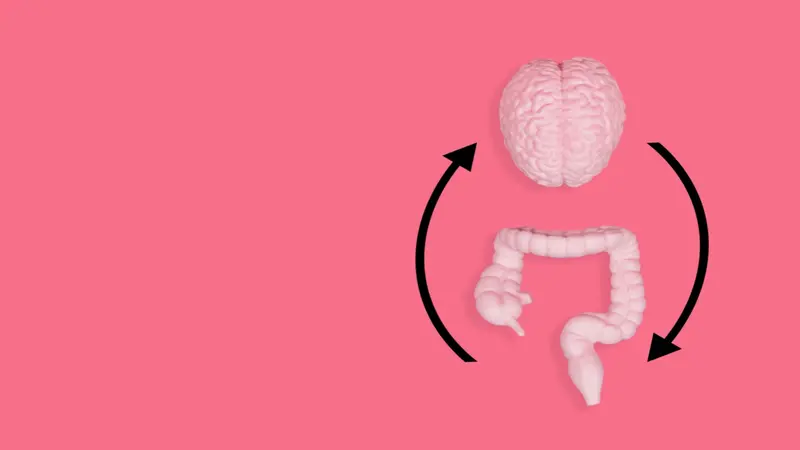
Depression is one of the most common mental health conditions worldwide, affecting millions of people and often co-occurring with other physical health issues. Traditional treatments such as antidepressants and psychotherapy can be effective but often have limitations, including delayed effects, side effects, partial responses, and high relapse rates. Increasingly, researchers are exploring microbiome-targeted therapies (MTT) as a complementary approach, based on evidence that gut health plays a key role in brain function and emotional regulation. MTT includes interventions such as probiotics, prebiotics, synbiotics, and, in some cases, fecal microbiota transplantation, which aim to improve the balance and function of gut bacteria.
A recent meta-analysis in BMC Psychiatry reviewed 34 randomized controlled trials involving over 3,300 participants to evaluate the effectiveness and safety of MTT modalities for depression. Overall, MTT significantly reduced depressive symptoms compared with placebo and had an acceptable safety profile. Biochemical analyses showed that MTT increased the levels of brain-derived neurotrophic factor (BDNF), a protein that is supportive to brain health, and reduced markers of inflammation. Synbiotics, supplements containing both prebiotics and probiotics, had the largest effect on depression scores, followed by prebiotics and probiotics.
Subgroup analyses revealed important nuances: MTT was most effective in patients without other co-existing diseases and for treatments lasting less than 12 weeks. It was less effective in individuals with digestive disorders such as irritable bowel syndrome, chronic diarrhea, or chronic constipation, and showed no benefit for pregnant women.
This research highlights that supporting gut health may be a promising adjunct therapy for depression, particularly in specific populations and treatment durations. While the findings are encouraging, continued research is needed to determine the most effective formulations, optimal treatment lengths, and populations that are most likely to benefit.
REFERENCES
Pan, B., Pan, Y., Huang, YS. et al. Efficacy and safety of gut microbiome-targeted treatment in patients with depression: a systematic review and meta-analysis. BMC Psychiatry 25, 64 (2025). https://doi.org/10.1186/s12888-024-06438-z