

Emerging
Emerging
How AI and Holistic Medicine Can Work Together
 By
By
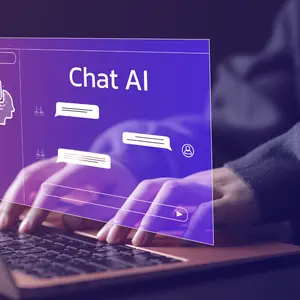
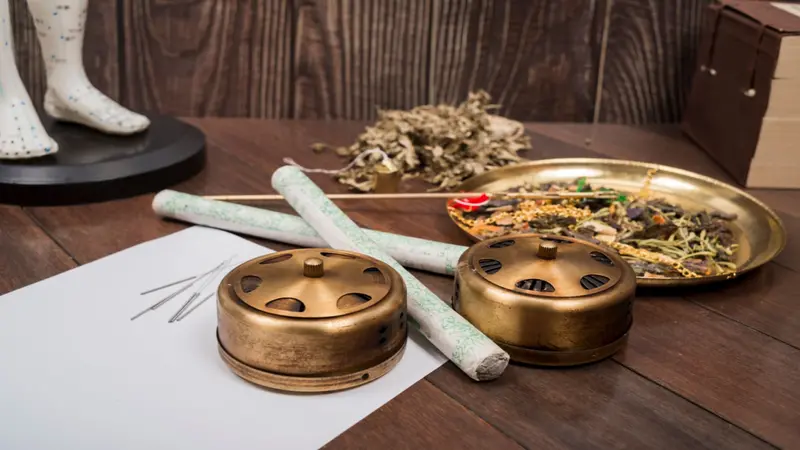
Traditional, complementary, and integrative medicine (TCIM) focuses on the whole person—body, mind, and spirit. It combines modern medicine with therapies like acupuncture, herbal remedies, yoga, and meditation. Artificial intelligence (AI), on the other hand, uses smart technology to process large amounts of information, spot patterns, and make predictions. Together, TCIM and AI could shape the future of healthcare in exciting ways.
AI can help TCIM practitioners better understand a patient’s unique needs by analyzing health data and recommending personalized treatment plans. It may also help detect diseases earlier, track chronic conditions, and suggest preventive steps based on a patient's health history. In cancer care, for example, AI could potentially help tailor a blend of conventional and holistic treatments to improve quality of life.
Real-world examples already show promise. AI tools may improve the accuracy of traditional Chinese medicine diagnostics like pulse or tongue analysis, or help recommend herbal remedies based on genetics and symptoms. Virtual assistants powered by AI can guide patients in mindfulness practices or dietary changes, supporting the TCIM principle of self-care and empowerment.
However, this partnership is not without challenges. One issue is the lack of standardized data in TCIM, which makes it harder for AI to learn effectively. Privacy and data security are concerns, since holistic care involves sensitive personal information. There is also a risk that relying too much on AI might weaken the human connection that TCIM values so deeply.
AI systems can reflect biases in the data they are trained on, which could lead to unfair or inaccurate recommendations. Practitioners must work closely with tech developers to ensure AI is used ethically and equitably, especially for underserved communities.
Looking ahead, combining AI and TCIM could lead to more precise herbal medicine, better understanding of how therapies like acupuncture work, and personalized wellness plans that prevent illness before it starts. To fully unlock this potential, collaboration is needed among AI experts, holistic healers, researchers, and policymakers.
REFERENCES
Ng, J. Y., Cramer, H., Lee, M. S., & Moher, D. (2024). Traditional, complementary, and integrative medicine and artificial intelligence: Novel opportunities in healthcare. Integrative medicine research, 13(1), 101024. https://doi.org/10.1016/j.imr.2024.101024