


Food, Farming and Nutrition
Food, Farming and Nutrition
Sugar Substitutes May Affect Liver Health
 By
By
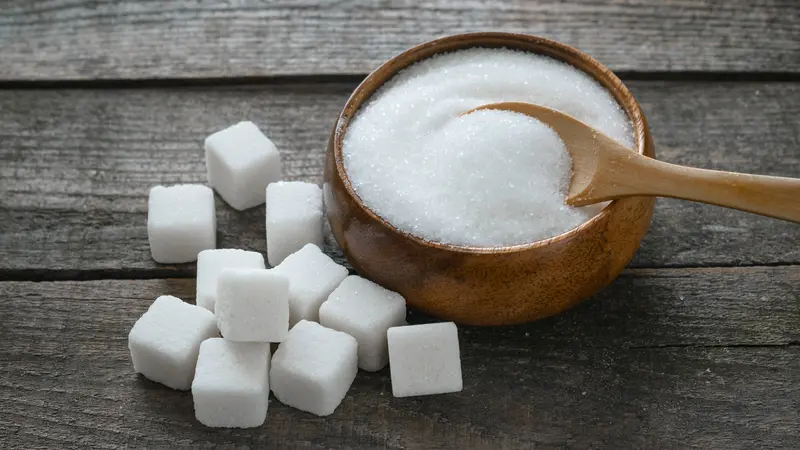
Sorbitol, a sugar alcohol commonly found in sugar-free gum, candy, and other foods, is often considered a healthier alternative to sugar. However, 2025 research from Washington University in St. Louis suggests it may not be risk-free, particularly for the liver.
The study used zebrafish to investigate how sorbitol is processed in the body. Researchers depleted the fish’s gut microbes using antibiotics in their tank water and tracked how the zebrafish metabolized sugar under these circumstances. They found that dietary glucose (sugar) was converted into sorbitol in the intestine. Normally, gut bacteria break down sorbitol, but when these bacteria were absent, sorbitol accumulated and moved to the liver, where it was converted into fructose. This fructose prompted the liver to store excess sugar as fat, leading to metabolic dysfunction–associated steatotic liver disease (MASLD), a common form of fatty liver disease.
The team also found that adding sorbitol directly to the water—simulating high consumption from processed foods—produced similar liver fat accumulation in fish lacking protective gut bacteria. Reintroducing bacteria capable of breaking down sorbitol prevented fat buildup in the liver.
These findings suggest that sorbitol, while lower in calories and less likely to raise blood sugar, is not automatically harmless. Although this research was conducted in zebrafish, it indicates that people with obesity, diabetes, or imbalanced gut microbiomes may face liver risks if they consume high amounts. The study highlights the importance of the microbiome and the complex interplay between diet, gut health, and the liver.
REFERENCES
Jackstadt, M. M., Fowle-Grider, R., Song, M. G., Ward, M. H., Barr, M., Cho, K., Palacios, H. H., Klein, S., Shriver, L. P., & Patti, G. J. (2025). Intestine-derived sorbitol drives steatotic liver disease in the absence of gut bacteria. Science signaling, 18(910), eadt3549. https://doi.org/10.1126/scisignal.adt3549