


COVID-19
COVID-19
Lyme Disease or COVID-19? Or Both?
 By
By
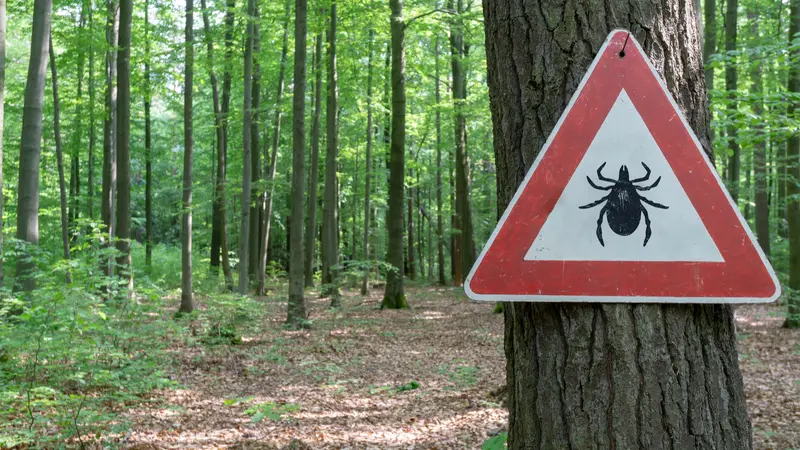
Approximately 300,000 people each year are diagnosed with Lyme disease, a bacterial infection caused by the bite of an infected deer tick. Because it is notoriously difficult to diagnose Lyme disease, the actual number of those infected may be much higher. Many people do not develop the telltale bulls-eye rash that can develop within a few days of a tick bite and may not realize they have been bitten by a tick.
A 2018 study in the Journal of Immunology found that Lyme disease disrupts the immune system, activating T cells that result in a cascade of inflammatory responses, reduced blood flow, and impaired brain function. If caught early, antibiotics can usually treat Lyme disease without any long-term problems. However, approximately 5-30% of people do not respond to antibiotics. A 2019 study in BMC Public Health estimated that nearly two million people live with chronic symptoms of Lyme disease, known as post-treatment Lyme disease syndrome (PTLDS).
Untreated Lyme disease or PTLDS can cause severe, debilitating symptoms that include fatigue, sleep problems, pain, and cognitive issues. Cognitive issues can include memory loss and brain fog, as well as paranoia, anxiety, depression, and obsessive-compulsive tendencies, all of which are frequently misdiagnosed and treated with medications that may worsen the condition.
Lyme disease causes many of the same symptoms as COVID-19, such as fever, sore throat, headache, and body aches, making diagnosis more complex in the pandemic era. Because of the immune system disruption with Lyme disease, COVID-19 may increase risk of complications for those diagnosed with the disease. Mark Filidei, DO, director of integrative and functional medicine at Amen Clinics in Costa Mesa, California, says, “Having Lyme disease may increase vulnerability to the coronavirus and could raise the risk of serious consequences if you’re infected with COVID-19.”
Lyme disease can be challenging to diagnose. Lab testing is not always definitive. The standard “Western blot” test conducted by mainstream laboratories often gives a false negative result. Experts recommend finding a doctor who is a member of the International Lyme and Associated Diseases Society. These specially trained healthcare professionals will conduct a thorough physical exam, take a detailed clinical history, and order appropriate tests that may include lab tests and brain imaging using a SPECT scan to evaluate blood flow and toxicity. Once a precise diagnosis has been made, the healthcare provider is better able to address any underlying infection and related symptoms.
REFERENCES
Amen Clinics. (2020, April 17). A functional medicine doctor on why you don’t want Lyme disease during a pandemic. https://www.amenclinics.com/blog/a-functional-medicine-doctor-on-why-you-dont-want-lyme-disease-dur…
Amen Clinics. (2019, July 25). Am I losing my mind, or is it Lyme disease? https://www.amenclinics.com/blog/am-i-losing-my-mind-or-is-it-lyme-disease/