

Chronic Conditions and Diseases
Chronic Conditions and Diseases
Beware of Turmeric Adulteration
 By
By
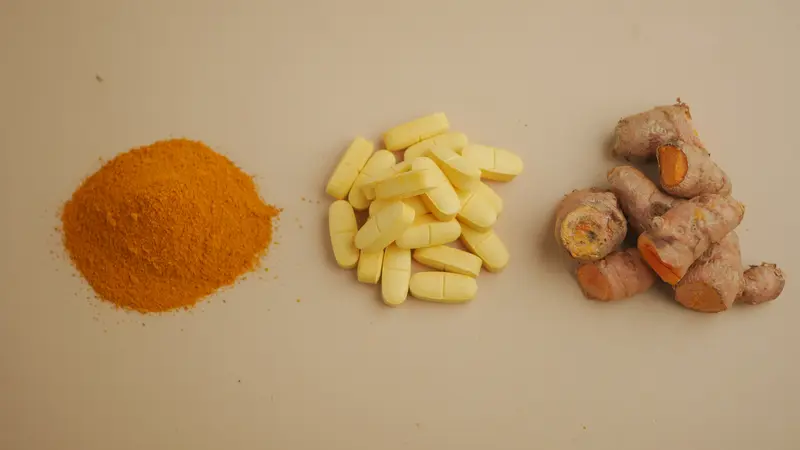
A 2026 scoping review examined how often turmeric products around the world are adulterated—meaning they contain unlisted or misleading ingredients aside from the active ingredient itself. The authors analyzed data from 48 studies, representing 2,235 turmeric samples, and found that about 1 in 5 turmeric products (20%) were adulterated.
Interestingly, adulteration differed by product type. Turmeric sold as a cooking spice was often diluted with cheaper fillers like corn starch or colored with synthetic dyes to improve appearance. In some regions, especially parts of South Asia, turmeric powder has been illegally colored with lead-based compounds, which pose serious health risks, particularly for children. Turmeric supplements, on the other hand, were most commonly adulterated with synthetic curcumin, which is a lab-made version of turmeric’s main active compound. Despite their synthetic nature, these supplements were still being marketed as natural turmeric extract.
Countries with stricter regulations and enforcement (such as the U.S., Canada, the EU, Japan, and Australia) generally had lower rates of adulteration. Higher rates were reported in parts of South Asia and South America, where oversight is weaker and testing resources are more limited.
Some adulterants, like starches, mainly reduce quality and effectiveness. Others (such as lead compounds and banned dyes) can cause serious long-term health harm, including neurological damage and cancer risk.
The authors conclude that turmeric adulteration affects about one-fifth of products worldwide, varies by market channel and region, and can be meaningfully reduced through coordinated education, monitoring, and regulatory enforcement.
REFERENCES
Stefan Gafner, Nilüfer Orhan, Çiğdem Kahraman & Mark Blumenthal (2026) A scoping review of turmeric adulteration based on data from six continents, Pharmaceutical Biology, 64:1, 87-107, DOI: 10.1080/13880209.2025.2606229