


Emerging
Emerging
Brain Mechanism Drives Exercise Gains
 By
By
A 2026 study published in Neuron suggests that the brain plays a central role in building physical endurance after repeated exercise, challenging the long-held belief that training benefits occur mainly in muscles and the cardiovascular system. In experiments in mice, researchers focused on a small but important brain region called the ventromedial hypothalamus (VMH)—an area deep in the brain that helps regulate energy balance, including how much fuel the body uses and stores.
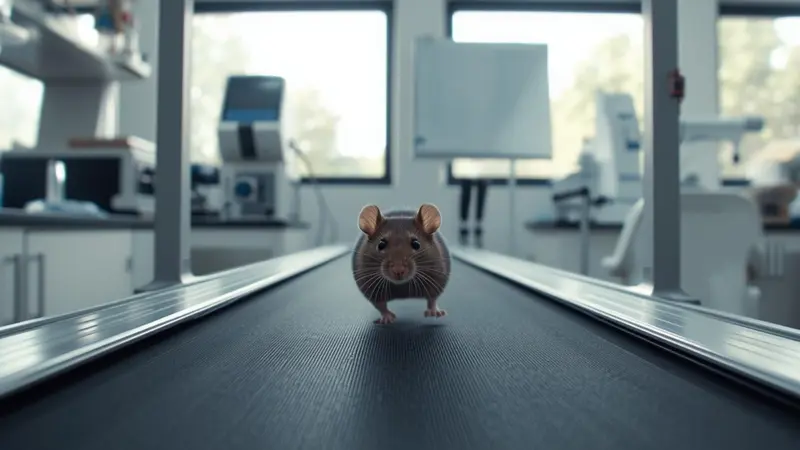
Within the VMH, the team studied a specific set of cells known as steroidogenic factor-1 (SF1) neurons. These neurons act as metabolic regulators, integrating signals about blood sugar and energy availability and sending instructions that influence how the body responds to physical demands. In this study, scientists had mice undergo several weeks of treadmill training. After three weeks, mice were able to run longer and faster. At the same time, their SF1 neurons became more active and more easily excitable.
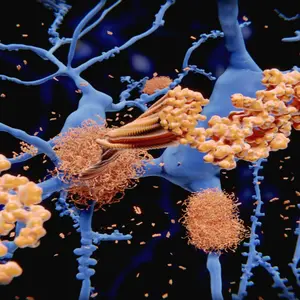
The researchers also observed structural changes in these brain cells. In particular, the neurons developed more dendritic spines, which are tiny, finger-like projections that receive signals from other neurons. More dendritic spines mean greater communication capacity between brain cells. This suggests that the brain “stores” exercise history through neural remodeling.
When scientists blocked the activity of SF1 neurons, mice failed to gain endurance and did not show the same metabolic improvements typically seen with training. Conversely, artificially stimulating these neurons after exercise enhanced endurance gain. Authors interpret these findings to mean that activation of this brain area is required for fitness improvements.
The study also showed that SF1 neuron activity influences changes in muscle tissue. For example, it was necessary for improvements in glucose handling—the body’s ability to efficiently absorb, store, and use blood sugar for energy. It also supported increases in oxidative capacity, which refers to muscles’ ability to use oxygen to produce sustained energy during prolonged activity.
Together, the findings suggest that the brain and body work in concert to produce the full benefits of exercise, with neural adaptations helping coordinate metabolic and endurance improvements.
REFERENCES
Cassella, C. (2026, February 13). Scientists discover a brain circuit that enhances physical endurance in mice. ScienceAlert. https://www.sciencealert.com/scientists-discover-a-brain-circuit-that-enhances-physical-endurance-in-mice
Kindel, M., Post, R. J., Grose, K., Lantier, L., Hwang, E., Carty, J. R. E., … Betley, J. N. (2026). Exercise-induced activation of ventromedial hypothalamic steroidogenic factor-1 neurons mediates improvements in endurance. Neuron. Advance online publication. https://doi.org/10.1016/j.neuron.2025.12.033