


Emerging
Emerging
Splenda Can Potentially Damage Your DNA
 By
By
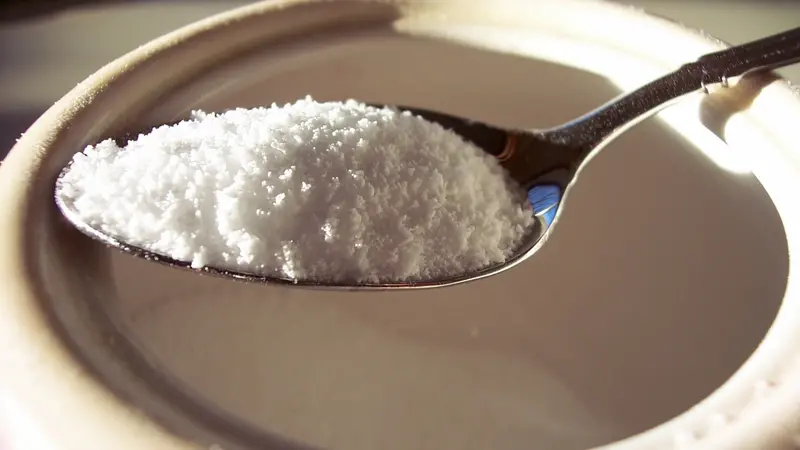
A new study has found that a chemical (sucralose-6-acetate) formed in the body after ingestion of the widely-used artificial sweetener sucralose (Splenda) is genotoxic, which means that it breaks up DNA, resulting in damage that could potentially contribute to health problems. The chemical is also found in trace amounts in sucralose itself, even before it is consumed and metabolized.
The European Food Safety Authority’s threshold for genotoxic substances is 0.15 micrograms per person per day. This study has found that the amount of sucralose in a single sucralose-sweetened drink exceeds that threshold, without accounting for the amount of the chemical produced in the body as metabolites after ingestion of the sweetener.
The study was conducted as an in vitro study, with a series of experiments that exposed human blood cells to sucralose-6-acetate and monitoring for markers of genotoxicity. Researchers also conducted in vitro tests that looked at the effects of both sucrose and sucralose-6-acetate on human gut tissues and found that both chemicals caused damage to the gut lining, leading to leaky gut and increased gene activity related to oxidative stress, inflammation, and carcinogenicity.
The researchers concluded that the safety and regulatory status of sucralose need to be revisited, given the mounting evidence of potentially significant risks. They also encourage people to avoid consuming products containing the chemical.
REFERENCES
Schiffman, S., et al. (2023, May 29). Toxicological and pharmacokinetic properties of sucralose-6-acetate and its parent sucralose: in vitro screening assays. Journal of Toxicology and Environmental Health, Part B. https://www.tandfonline.com/doi/full/10.1080/10937404.2023.2213903