


Chronic Conditions and Diseases
Chronic Conditions and Diseases
PANDAS: State of the Research
 By
By
PANDAS (pediatric autoimmune neuropsychiatric disorders associated with streptococcal infections) is a condition in children marked by sudden obsessive-compulsive behaviors, tics, or other psychiatric symptoms following infection with strep throat. It is thought to involve autoimmune processes affecting the brain’s basal ganglia, but the exact mechanisms remain unclear. A 2025 narrative review in Frontiers in Nutrition explored the state of the research, examining how PANDAS and its treatment pathways interact with the gut microbiome.
What is known:
- PANDAS follows strep throat infections and may involve autoimmune damage to brain regions controlling behavior.
- Small studies suggest altered gut microbiota and markers of oxidative stress in PANDAS-affected children.
- Treatments exist, but most have limited evidence and can affect gut health.
What is not known:
- Whether gut microbiota changes directly cause or worsen PANDAS symptoms.
- The long-term effectiveness of dietary, probiotic, or microbiome-based therapies.
- How best to integrate antibiotics and diet to support both infection control and gut health.
Only a handful of studies have examined the gut microbiota in children with PANDAS, and the findings are preliminary. Small case–control studies suggest that these children may have reduced microbial diversity and altered bacterial populations, which could impair gut function and contribute to chronic inflammation. Other evidence shows elevated markers of oxidative stress and systemic inflammation in patients with PANDAS.
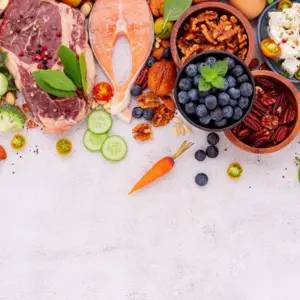
Treatment for PANDAS typically includes antibiotics, psychiatric medications, and sometimes immunotherapy. However, antibiotics themselves can disrupt gut bacteria, complicating the picture. The review highlights that dietary strategies, such as increasing fiber and following anti-inflammatory diets like the Mediterranean diet, might help restore microbial balance and reduce inflammation, though no specific diet has been proven effective for PANDAS.
REFERENCES
Tagi, V. M., Tosi, M., Greco, I. P., Stucchi, E., Verduci, E., & Zuccotti, G. (2025). Pediatric autoimmune neuropsychiatric disorders associated with streptococcal infections and gut microbiota composition: what do we know?. Frontiers in Nutrition, 11, 1477893. https://doi.org/10.3389/fnut.2024.1477893