

Mental and Behavioral Well-Being
Mental and Behavioral Well-Being
Treating Seasonal Affective Disorder
 By
By
Seasonal Affective Disorder, or SAD, is a type of depression that affects people on a recurring seasonal basis, typically in the months between late fall and spring or summer. The disorder is more likely to affect people who live far from the equator where the days are shorter in the winter months. Women and younger people tend to be at highest risk for SAD.
There are four main types of treatment for SAD: medication, psychotherapy, light therapy, and dietary supplements.
Antidepressant medications may be prescribed for SAD symptoms, although these may have side effects, and it may take some trial and error to identify ones that works well with minimal side effects.
A form of cognitive behavioral therapy (CBT) designed for those with symptoms of SAD can help relieve symptoms and is generally considered safe. The benefits of CBT may extend into future years, even without additional sessions.
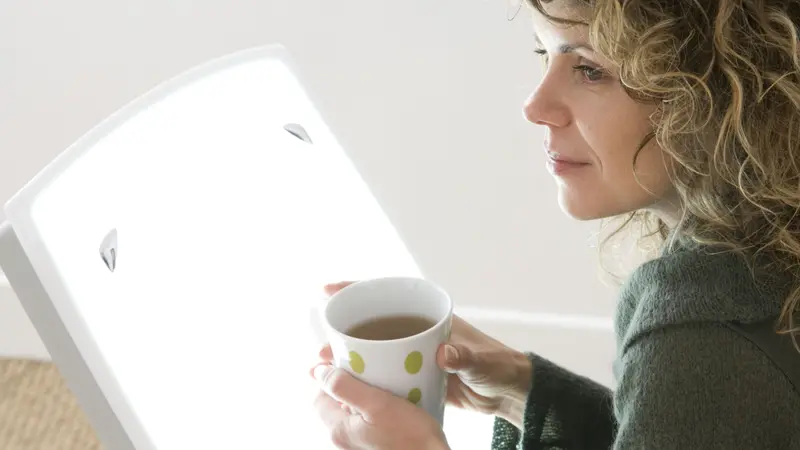
Light therapy typically involves sitting in front of a light box that produces very bright artificial light for 20 to 60 minutes a day. Research has shown light therapy to be as effective as medications or CBT, but it may not be appropriate for people who are sensitive to light, whether from eye conditions, medications that increase light sensitivity, or bipolar disorder. Light therapy may cause side effects such as dizziness, nausea, or headaches.
Research shows that people with SAD are often deficient in vitamin D but has not concluded that vitamin D supplementation relieves SAD symptoms. The efficacy of other dietary supplements such as St. John’s wort, vitamin B12, and gingko biloba have been examined in small studies, but the very limited research has not shown conclusive benefits. As supplements may cause side effects or negative drug interactions, it is important to discuss their use with a healthcare provider.
REFERENCES
National Center for Complementary and Integrative Health. (n.d.) Seasonal Affective Disorder. US Department of Health and Human Services, National Institutes of Health. https://www.nccih.nih.gov/health/seasonal-affective-disorder?nav=govd