


Planet and People Connection
Planet and People Connection
World Food Day Spotlights Sustainability and Global Health
 By
By
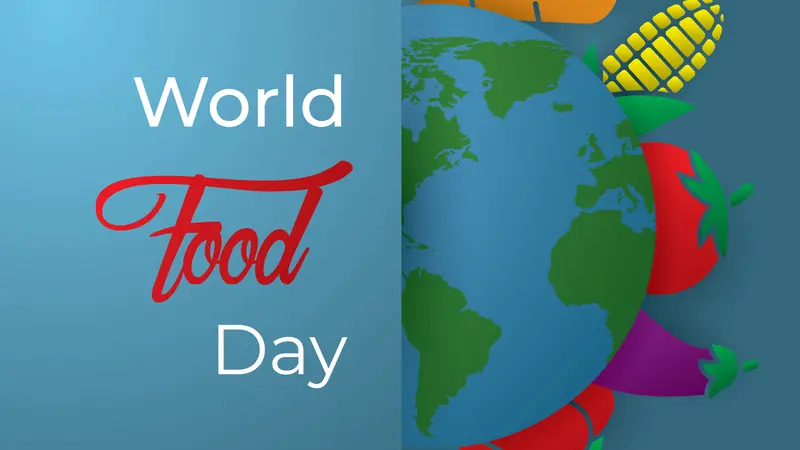
World Food Day 2021, celebrated on October 16, is a call to action for better production, better nutrition, a better environment—and a better life for all.
Organizers of the annual event, the Food and Agriculture Organization (FAO) of the United Nations (UN), says, "The food you choose and the way you consume it affect our health and that of our planet."
According to the FAO, more than three billion people—almost 40% of the world’s population—cannot afford a healthy diet. At stake is the creation of a sustainable agri-food system, one in which a variety of nutritious and safe foods is available and affordable to all.
The challenges are great and include less wasted food, a food supply chain that is resilient to shocks of extreme weather, price spikes, or pandemics, while limiting environmental degradation or climate change.
Too often, says the FAO, the way we produce, consume, and waste food exacts a heavy toll on our planet, putting pressure on natural resources, the environment, and climate. Much food production today degrades and destroys natural habitats and contributes to species extinction. Global inequalities are starkly exposed in the current system, whereby billions of people cannot afford a healthy diet while the number of obese and overweight people continues to grow.
The COVID-19 pandemic has worsened the situation. Farmers, already grappling with climate extremes, are having a harder time selling their harvests, while millions are compelled to use food banks or require emergency food aid. The FAO estimates that sustainable agri-food systems capable of nourishing 10 billion people will be needed by 2050.
A first line of action, believes the FAO, is policy change at the government level so that sustainable production of affordable and nutritious food, with farmer participation, is fostered. Policies should promote innovation, boost rural incomes, offer safety nets to smallholders, and build climate resilience. Responsible investment that reduces negative environmental and social impacts is needed in pursuit of these goals.
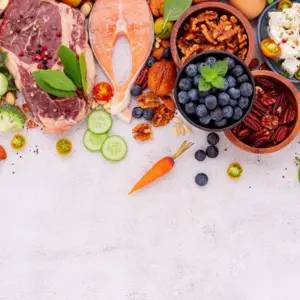
Consumers are key to the challenge. Only if consumption patterns are shifted can food systems be transformed. By opting for nutritious, environmentally and socially responsible products, the market will be influenced. This puts pressure on governments to design greener, more sustainable policies, while motivating investment in healthy diets.
Steps consumers can take, says the FAO, include choosing healthy diets, reducing food waste, and supporting small food producers. Creating green spaces for growing plants and vegetables, no matter how small—in a window box, on the balcony, or in your garden—nourishes the environment and improves your diet.
REFERENCES
Food and Agriculture Organization of the United Nations. (2021). World Food Day. http://www.fao.org/world-food-day/en