



Chronic Conditions and Diseases
Chronic Conditions and Diseases
Quercetin For Multiple Sclerosis
 By
By
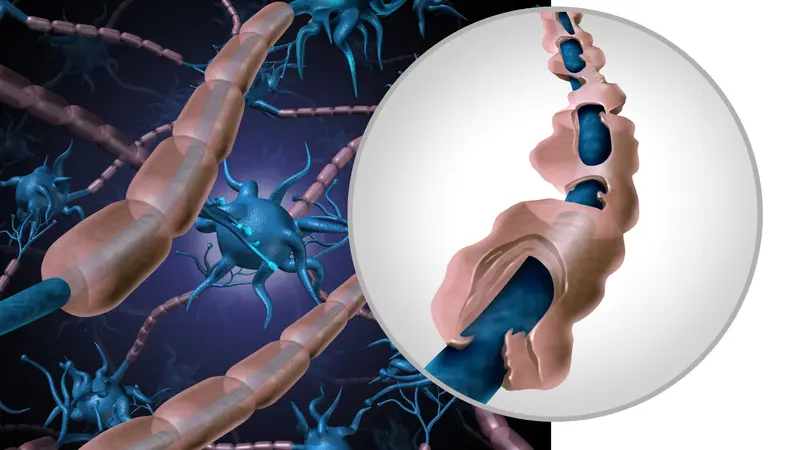
A 2023 study reviewed what is known about quercetin, a natural compound found in many fruits and vegetables, and its potential role in multiple sclerosis. Multiple sclerosis is an autoimmune condition where the immune system mistakenly attacks the central nervous system. This damages myelin, the protective coating around nerve fibers, and leads to symptoms such as fatigue, muscle weakness and vision changes. One process that contributes to this damage is oxidative stress, which happens when harmful molecules called free radicals overwhelm the body’s defenses. Oxidative stress increases inflammation and accelerates nerve injury.
Quercetin is part of a group of plant chemicals called flavonoids. These compounds occur naturally in foods such as berries and onions and are known for strong antioxidant and anti-inflammatory effects. Because flavonoids can cross the blood brain barrier, scientists have become interested in whether they might protect the brain and spinal cord.
The researchers examined both animal studies and the limited human studies available. They found that quercetin can reduce oxidative stress, calm inflammation and slow the loss of myelin in laboratory models. Some studies also suggest it may help promote remyelination, which is the repair of damaged myelin. The review highlights quercetin’s potential as a complementary therapy and notes growing interest in natural antioxidants for supporting nervous system health in people with multiple sclerosis.
REFERENCES
Javanbakht, P., Yazdi, F. R., Taghizadeh, F., Khadivi, F., Hamidabadi, H. G., Kashani, I. R., Zarini, D., & Mojaverrostami, S. (2023). Quercetin as a possible complementary therapy in multiple sclerosis: Anti-oxidative, anti-inflammatory and remyelination potential properties. Heliyon, 9(11), e21741. https://doi.org/10.1016/j.heliyon.2023.e21741