


Emerging
Emerging
What Is Mouth Taping? And Is It Safe?
 By
By
A new trend—mouth taping—claims to improve snoring, allergies, and bad breath resulting from sleeping with your mouth open. But does it actually work? And is it safe?
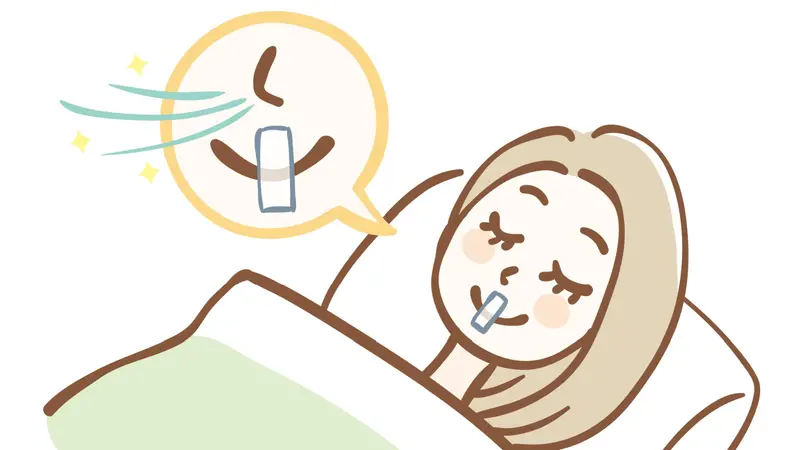
Mouth taping is the act of taping your mouth shut with skin-safe tape to ensure you breathe through your nose rather than your mouth.
Why is nasal breathing beneficial over mouth breathing? It may:
- Lower blood pressure
- Filter allergens
- Regulate the temperature of your breath
- Humidify the air you breathe and moisturize your throat
- Decrease anxiety
Nasal breathing also helps avoid side effects of mouth breathing, which can include:
- Dry mouth
- Bad breath
- Sore throat
- Snoring
- Restlessness and fatigue
Mouth breathing can be the result of congestion, a deviated septum, or enlarged tonsils or adenoids.
A small study of 30 patients found that mouth taping was useful to treat patients with mild obstructive sleep apnea and chronic habitual open-mouth breathing. However, another small study found that mouth taping had no effect on asthma control for patients with symptomatic asthma.
Mouth taping may prevent you from being able to take in full, deep breaths, and may also cause skin irritation from using the wrong kind of tape. Make sure to speak with a doctor before starting this practice.
Although this viral trend may have lots of anecdotal evidence in its favor, there’s currently not enough scientific evidence to support it. If you are concerned about snoring, improving bad breath, sleep apnea, or other breathing or sleep-conditions, speak with your healthcare provider to determine a safe treatment plan.
REFERENCES
Cleveland Clinic. (2022, September 8). Mouth taping: is it safe? https://health.clevelandclinic.org/mouth-taping